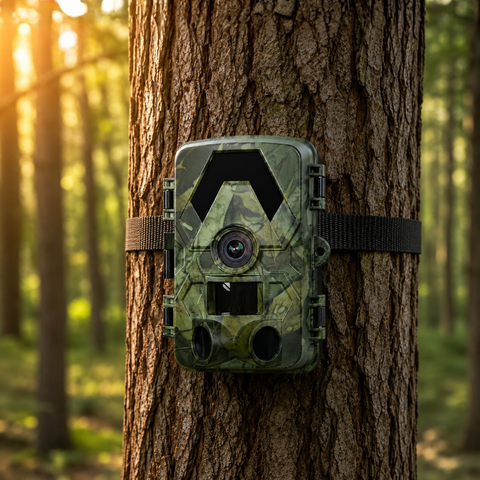

Shopping for a trail camera means facing a wide price gap, from bargain-bin models to feature-loaded flagships. But a higher price tag does not always translate into better wildlife footage, and some genuinely cheap cameras cut corners in ways that ruin every clip. This guide breaks down where your money actually goes, which features are worth paying for, and how to match a camera to how you plan to use it.
Where Cheap and Premium Trail Cameras Really Differ
The headline number on the box, usually megapixels, is one of the least reliable ways to judge a trail camera. Many budget models advertise huge photo resolutions that are software-interpolated from a small, low-quality sensor. The result looks impressive on a spec sheet and disappointing on your screen. What separates a good camera from a poor one is the combination of a genuine high-resolution sensor, a fast trigger, and reliable night performance.
Here is where the meaningful differences tend to show up:
- Image and video quality: Real 4K UHD video with a true 60MP photo mode captures fur detail, antlers and movement that blurry budget footage misses entirely.
- Trigger speed and detection: A responsive PIR sensor with a wide field of view (roughly 112 to 130 degrees) catches animals as they enter the frame, instead of photographing an empty clearing a second too late.
- Night vision: No-glow infrared LEDs illuminate to around 20 metres without a visible red flash, so nocturnal wildlife, and any two-legged visitors, stay unaware of the camera.
- Weather sealing: An IP66 rating means the housing shrugs off heavy rain and dust through a full season outdoors. Cheaper shells crack, fog up or leak.
- Storage and reliability: Support for up to 128GB microSD keeps weeks of footage on the card without constant swaps or corrupted files.
A cheap camera can still be the right choice, but only if it delivers on these fundamentals rather than padding the box with inflated numbers.
Connectivity: The Feature That Changes the Price
The single biggest reason to move up in price is how you retrieve your footage. This is where the "cheap versus premium" question becomes a question of convenience rather than raw quality, because our cameras share the same 4K sensor and no-glow night vision across the range.
Offline (microSD)
The most affordable route stores everything to a card that you collect in person. There is nothing to configure and no signal to depend on, which makes it ideal for a garden, a nearby plot or anyone who visits the site regularly. Our SD Trail Camera 4K is fully offline and works entirely from the card, so you own your footage outright with no app in between.
WiFi (on-site app)
A step up lets you connect from your phone when you are standing near the camera. You review and download clips through an app without unscrewing the housing or pulling the card, which is handy for a camera mounted somewhere awkward to reach. Note that this is short-range WiFi, not remote access from home.
4G (cellular)
For a truly remote spot, a cellular camera sends photos and clips to your phone from anywhere with mobile coverage. This is the premium end for convenience, and it comes with one honest caveat worth repeating: our 4G cameras use your own standard nano-SIM (not included), and it is a normal nano-SIM, not an eSIM. You choose the network and data plan that suits your region.
Whichever tier you pick, there is no monthly subscription to SightForest, ever. Many cellular trail cameras on the market lock essential features behind a recurring cloud fee. Ours do not. On a 4G model, the only ongoing cost is whatever SIM data plan you choose yourself, and on offline or WiFi models there is no running cost at all. You can compare the full range in the trail camera collection.
The Hidden Costs Behind a Cheap Price Tag
A low sticker price rarely tells the whole story. Before deciding that the cheapest option wins, it is worth adding up the extras that a bargain camera often forces on you later:
- Subscription lock-in: Some cellular cameras are cheap upfront precisely because the seller expects to earn back the difference through mandatory monthly fees. Over two or three years, those fees can dwarf the hardware cost.
- Replacing a failed unit: Poor weather sealing and weak components mean budget cameras often need replacing after a season. A single reliable camera with a proper warranty usually costs less over time than two or three cheap ones.
- Missing essentials: A camera is only useful with a card in it. Factor in a reliable 128GB microSD card so you have the storage headroom to record in 4K without constantly overwriting footage.
- Batteries and access: Slow, inefficient electronics drain batteries faster, meaning more trips to a remote site. For hard-to-reach locations, a solar-powered model removes that chore almost entirely.
This is exactly why a solar option can make sense at the top of the range. The 4G Solar Trail Camera 4K pairs cellular delivery with a built-in solar panel, so you get remote footage and far fewer battery trips, which matters most on land you rarely visit. Every SightForest camera is also backed by a 3-year warranty and a 30-day return window, which takes much of the risk out of buying at any price point.
How to Choose the Right Camera for You
Rather than asking whether cheap or premium is "better," match the camera to your situation. If you can walk to the camera easily and simply want great footage, an offline model gives you the best value with no compromise on image quality. If the mounting spot is inconvenient but still close, WiFi saves you the fuss of pulling the card. If the site is genuinely remote and you want alerts and clips delivered to your phone, a 4G model earns its higher price, and adding solar makes sense when maintenance visits are a burden.
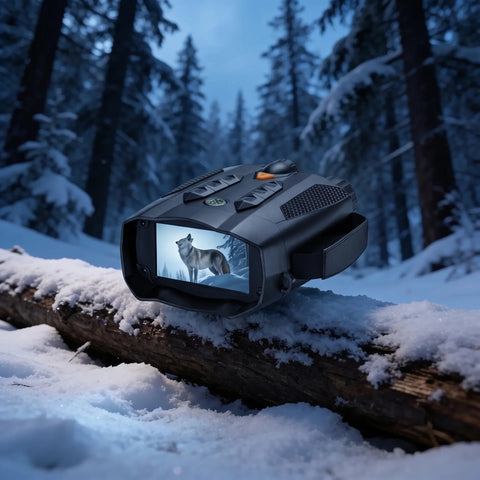
Some buyers also pair a static trail camera with handheld optics for active observation. If that is you, our night vision binoculars range covers HD through to 4K Pro for scouting and watching in the dark.
The Bottom Line
Cheap trail cameras are not automatically a false economy, and premium ones are not automatically worth it. The smart approach is to insist on the fundamentals at every price, a real sensor, fast trigger, no-glow night vision and solid weather sealing, then pay only for the connectivity you will actually use. Because our range keeps the same 4K core across every model and never charges a subscription, the real decision is simply how you want to collect your footage: in person, over WiFi, or remotely by cellular. Choose that honestly, and you will not overpay for features you do not need, or regret saving on the ones you do.
