
It is one of the first questions buyers ask, and for good reason: nobody wants to fall in love with a wildlife camera only to discover a monthly bill hiding behind it. The short answer is that most trail cameras do not need any subscription at all, and even the ones that send photos to your phone can run on a simple pay-as-you-go plan. Here is exactly how it works, so you can choose the right camera without any nasty surprises.
The quick answer: it depends on how the camera sends photos
Trail cameras fall into three broad groups based on how you get to your images. Understanding these three types tells you immediately whether a subscription is ever part of the picture.
- Offline (SD card) cameras record photos and video straight to a microSD card. There is no SIM, no app, no data and no subscription. You walk to the camera, pull the card, and view your footage. This is the simplest and cheapest way to run a wildlife camera.
- WiFi cameras connect to your phone over a short-range local WiFi signal when you are standing next to the camera. There is still no SIM and no data plan involved, because the camera is talking directly to your phone, not to the internet.
- Cellular (4G) cameras use a mobile network to send photos to your phone from anywhere. These are the only cameras that need a SIM card, and therefore the only ones where a data plan is ever relevant.
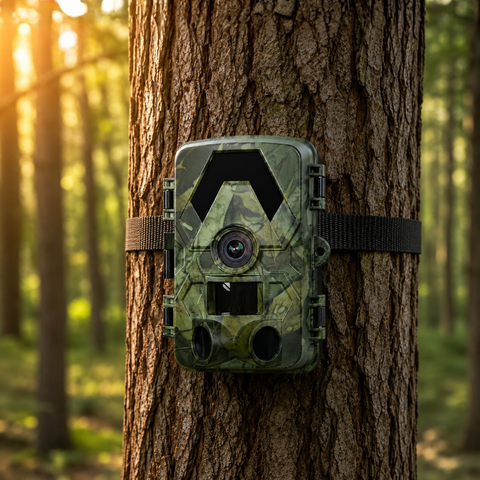
So if the idea of any recurring cost puts you off, an offline or WiFi model removes the question entirely. Our SD Trail Camera 4K shoots 4K UHD video and 60MP photos to a microSD card with zero ongoing fees, which makes it a favourite for gardens, feeding stations and any spot within easy walking distance.
What about 4G cameras and the SIM card?
A 4G trail camera is the one that genuinely needs mobile connectivity, because its whole purpose is to send images to you remotely. Here is the honest breakdown of what that involves.
Our 4G cameras use your own standard nano-SIM (not included). That is the same physical SIM format used in most modern phones, and it is not an eSIM, so you are free to choose any provider and any plan you like. You are not locked into a proprietary card, a branded data package or a manufacturer's app store.
Crucially, there is no monthly subscription to SightForest, ever. We do not sit between you and your photos, and we do not charge a platform fee. The only cost is whatever data your chosen mobile plan uses, and for a trail camera that is typically very little.
How much data does a 4G camera actually use?
Trail cameras are designed to be frugal. A single triggered photo notification is a small file, and you can usually configure the camera to send compressed thumbnails rather than full-resolution images, downloading the originals only when you want them. In practice, a modest prepaid or pay-as-you-go SIM with a small data allowance is enough for most users across a whole season. Because you supply the SIM, you stay in full control of the cost and can top up only when you need to.
If remote monitoring matters to you, the 4G Trail Camera 4K delivers images to your phone from the field, and the 4G Solar Trail Camera 4K adds a built-in solar panel so you can leave it out for long stretches without swapping batteries.
Why SightForest avoids subscriptions on purpose
Some cellular trail camera brands tie their cameras to a paid cloud service, where you must pay every month just to keep receiving your own photos. We took the opposite approach. A camera should be a one-time purchase that keeps working for years, not a device that stops being useful the moment you cancel a plan.
That philosophy runs through the whole range:
- You own your images. Offline and WiFi models keep everything on the microSD card. Cellular models send images through your own SIM, on your terms.
- No proprietary lock-in. Standard nano-SIM support means you shop for the best local data deal rather than accepting ours.
- Real hardware, built to last. Every camera shoots 4K UHD video with 60MP photos, uses a fast PIR motion trigger, and captures night footage with no-glow infrared out to roughly 20 metres so animals are not startled by a visible flash.
- Weatherproof for European conditions. An IP66 rating and a wide 112 to 130 degree field of view mean the camera keeps working through rain and cold while covering more ground.
- Storage you control. All models accept up to a 128GB microSD card, and adding a 128GB microSD card gives you weeks of footage before you ever need to clear it.
Which camera should you choose?
Match the camera to how you plan to check it, and the subscription question answers itself.
- Check it in person and want the lowest cost? Choose an offline SD card model. No SIM, no data, no fees.
- Happy to walk up to the camera but want photos on your phone on the spot? A WiFi model connects locally, still with no data plan.
- Need photos delivered from a remote or hard-to-reach location? Choose a 4G model and pair it with your own standard nano-SIM on a small prepaid plan.
- Monitoring somewhere off-grid for months? A 4G solar model keeps itself powered so you visit far less often.
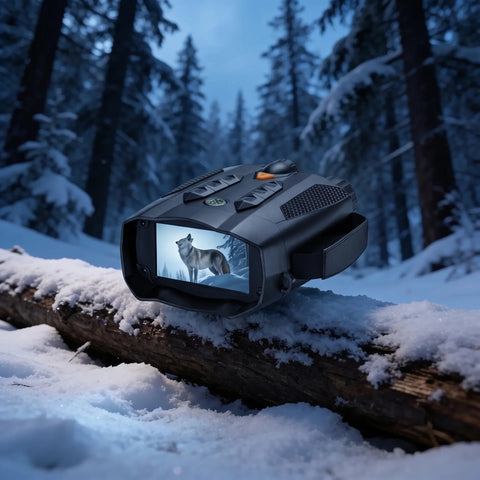
You can compare the full line-up in the trail camera collection, and if you prefer to watch wildlife live rather than record it, our night vision binoculars are worth a look too.
The bottom line
No trail camera in the SightForest range requires a monthly subscription. Offline and WiFi cameras need nothing but a microSD card, and 4G cameras need only your own standard nano-SIM (not included) on a data plan of your choosing. Every model is a one-time purchase backed by a 3-year warranty and 30-day returns, with dispatch in around 48 hours and tracked delivery in 7 to 9 business days. Pick the camera that fits how you like to check your footage, and you can enjoy years of wildlife watching without ever paying a recurring fee.
