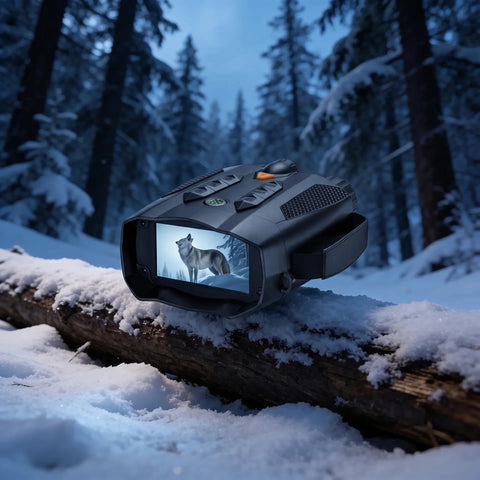

Night vision binoculars are precision optical and electronic instruments, and a little routine care goes a long way toward keeping images crisp and the hardware reliable season after season. Whether you use them for wildlife observation, evening walks or watching over a property, dust, moisture and rough handling are the main things that shorten their life. This guide covers the everyday habits that protect your investment and keep your view sharp.
Cleaning the Lenses the Right Way
Optical surfaces are the most delicate part of any night vision device, and they are also the easiest to scratch. The golden rule is to remove loose dust before you ever touch the glass with anything. A hard grain of grit dragged across a coated lens will leave a permanent mark that no amount of polishing removes.
- Blow first. Use a rubber air blower or a can of compressed air held upright to lift loose dust and sand off the lens.
- Brush gently. A soft lens brush handles anything the air did not shift.
- Wipe with a microfibre cloth. Use light, circular motions from the centre outward. Never use paper towels, shirt sleeves or household tissues, which contain abrasive fibres.
- For stubborn smudges, add a drop of dedicated lens-cleaning fluid or a lens wipe. Apply it to the cloth, not directly onto the lens, so fluid cannot seep behind the housing.
- Never use alcohol-based glass cleaners, acetone or ammonia products, as they can strip the anti-reflective coatings.
Clean the eyepieces and objective lenses only when they actually need it. Over-cleaning wears coatings down faster than occasional dust ever will.
Protecting the Infrared and Electronic Components
What sets night vision binoculars apart from ordinary optics is the built-in infrared (IR) illuminator and the digital or intensifier system behind it. These parts deserve their own care routine.
Mind the IR illuminator
Keep the IR window as clean as the main lenses, because a filmy or smeared illuminator scatters light and washes out contrast in the dark. Treat it with the same blow-brush-wipe method described above.
Respect the battery and power system
- If your model uses removable batteries, take them out when storing the device for more than a couple of weeks. A leaking cell can corrode the contacts and ruin the electronics.
- For rechargeable units, avoid leaving them fully drained for long periods. Top the charge up to roughly half before extended storage.
- Clean the battery contacts occasionally with a dry cotton swab to prevent build-up.
Avoid pointing at bright light while powered on
Digital night vision handles daylight better than older intensifier tubes, but it is still good practice not to aim a powered-on device at the sun or strong artificial lights. Cap the lenses when you switch the unit off in daylight.
Handling Moisture, Temperature and Fogging
European weather swings from damp autumn evenings to freezing winter nights, and condensation is a common enemy of any outdoor optic. When you bring cold binoculars into a warm room, moisture forms instantly on the glass and, worse, inside the housing on less-sealed models.
- Let them acclimatise. After coming in from the cold, leave the binoculars in a bag or case for 20 to 30 minutes so they warm up gradually before you open anything.
- Dry them off. If the housing gets wet from rain or dew, wipe the body with a dry cloth before storing.
- Use the case with a desiccant. A small silica-gel sachet in the storage case keeps ambient humidity down. Replace or re-dry the sachet periodically.
- Never force-dry with heat. Radiators, hairdryers and direct sun can warp seals and damage internal components.
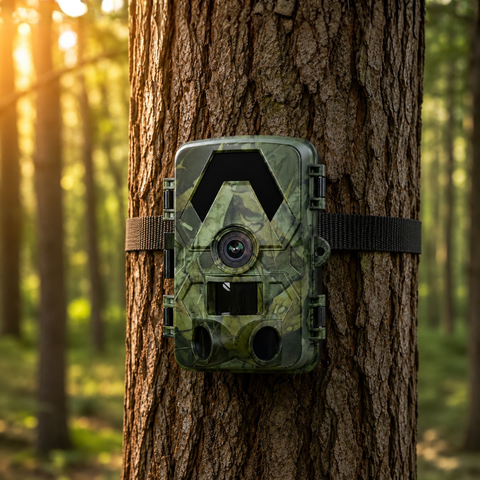
If you also run trail cameras in the field, you already know how much weather punishes outdoor gear. The same discipline applies here: dry storage and gradual temperature changes prevent most long-term problems.
Smart Storage and Long-Term Maintenance
How you store your binoculars between outings matters as much as how you clean them. A few simple habits keep everything in working order.
- Always fit the lens caps and use the supplied carry case or a padded pouch.
- Store in a cool, dry place away from direct sunlight and away from damp basements or garages.
- Keep them away from strong magnets and avoid stacking heavy objects on the case.
- Carry them on a neck strap or harness in the field so an accidental drop is far less likely.
- Check the seals and hinges every so often; grit in a focus wheel or hinge can be brushed out before it causes stiffness.
It is also worth updating any companion app or firmware if your model supports it, since manufacturers occasionally improve image processing and battery behaviour. Ready to explore the range or add a second pair for the family? Browse the full night vision binoculars collection to compare the HD, 4K and 4K Pro options.
A Quick Care Checklist
- Blow and brush dust away before wiping any lens.
- Clean with a microfibre cloth and dedicated lens fluid only.
- Remove or half-charge batteries before long storage.
- Let cold binoculars acclimatise before opening the case indoors.
- Store dry, capped and cased, with a desiccant sachet.
Night vision binoculars reward a bit of routine attention with years of sharp, reliable performance in the dark. Keep the lenses and IR window clean, manage moisture and batteries sensibly, and store everything in a dry, protected case, and your optics will be ready whenever the light fades. Every SightForest device is backed by a 3-year warranty and a 30-day return window, so you can put these habits into practice with confidence.
