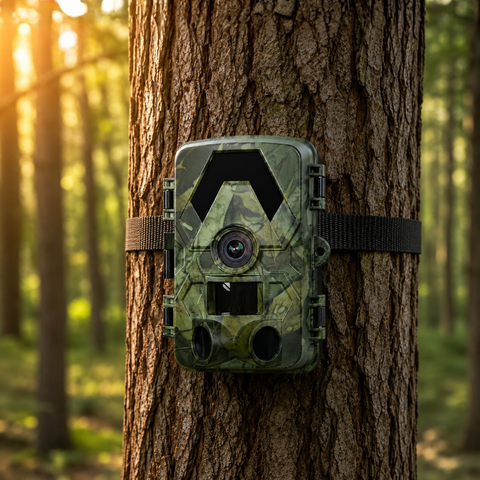
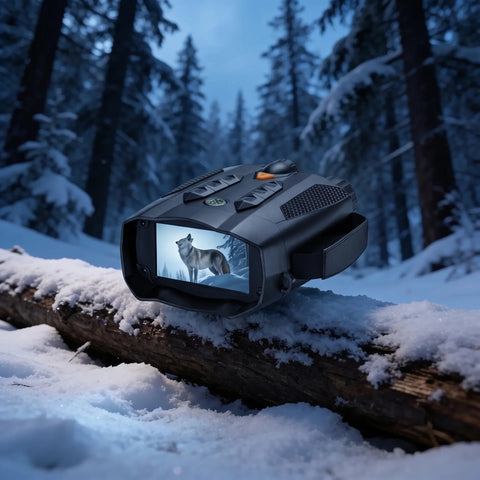

You set the camera perfectly, then pull the card to find tails, blurs and empty frames. The usual culprit isn't placement — it's speed. Trail camera trigger speed, recovery time and detection range together decide whether you capture the animal or just the spot it used to be. Here's what each number means and what to look for.
Trigger speed: the headline number
Trigger speed is the gap between the sensor detecting motion and the camera taking the shot. Aim for the 0.1–0.5 second range. Slower than that and a deer walking through at a normal pace is already half out of frame — or gone. The 4G Solar Trail Camera 4K fires in about 0.3 s, fast enough for moving game on a trail.
Recovery time: the one people forget
Recovery time is how long the camera needs after a shot before it can fire again. A fast trigger with slow recovery still misses the second and third animal in a group, or the same buck working back through. Shorter recovery means more usable frames per visit — important during the rut or at a feeder where several animals pass quickly.
Detection range & angle
Detection range is how far the motion sensor reaches; detection angle is how wide. If the detection zone is narrower than the camera's field of view, animals appear in the frame but never trigger a shot — the dreaded "empty photo." Look for a detection range around 18–25 m that roughly matches the lens, so anything you can see, you can capture.
How they work together
- Fast trigger catches the animal in frame.
- Fast recovery catches the next one, and the next.
- Matched detection range makes sure the sensor fires when something's actually in view.
A camera can have a great sensor and still disappoint if any one of these lags. When you compare models, weigh all three — not just megapixels (more on that in 4K vs 1080p).
Placement amplifies speed
Even a 0.3 s camera needs a fair chance. Shoot down the trail at ~45° rather than straight across, so the animal spends more time in the detection zone — the camera gets more frames and the trigger lag matters less. Full detail in the placement guide.
Want a fast, reliable camera that sends the shot to your phone? See the trail cameras or take the gear quiz.
FAQ
What is a good trigger speed for a trail camera?
0.1–0.5 seconds. Faster catches moving animals in frame; much slower and a walking deer is gone before the shot fires.
What's the difference between trigger speed and recovery time?
Trigger speed is how fast the first shot fires after detection. Recovery time is how long before the camera can shoot again. You want both short.
Why does my trail camera take photos with no animal?
Often the detection range is wider or narrower than the lens, or vegetation is moving in the zone. Match detection to the field of view and clear a small lane in front of the camera.
Does trigger speed matter for security use?
Yes — a fast trigger captures a person crossing the frame instead of an empty doorway. Pair it with a fast recovery to catch multiple frames.
New to trail cameras? Read the complete 4G trail camera buying guide.
